
The Power of the 4Cs in Education
Traditional education models—focused heavily on content delivery and standardised outcomes—are no longer sufficient to prepare students for the complexities of modern life. One of the most influential alternative approaches is the 4Cs framework.
The 4Cs In Education: Deep Learning vs Surface Learning
This blog outlines the central idea underpinning 4C learning - the distinction between surface learning and deep learning.
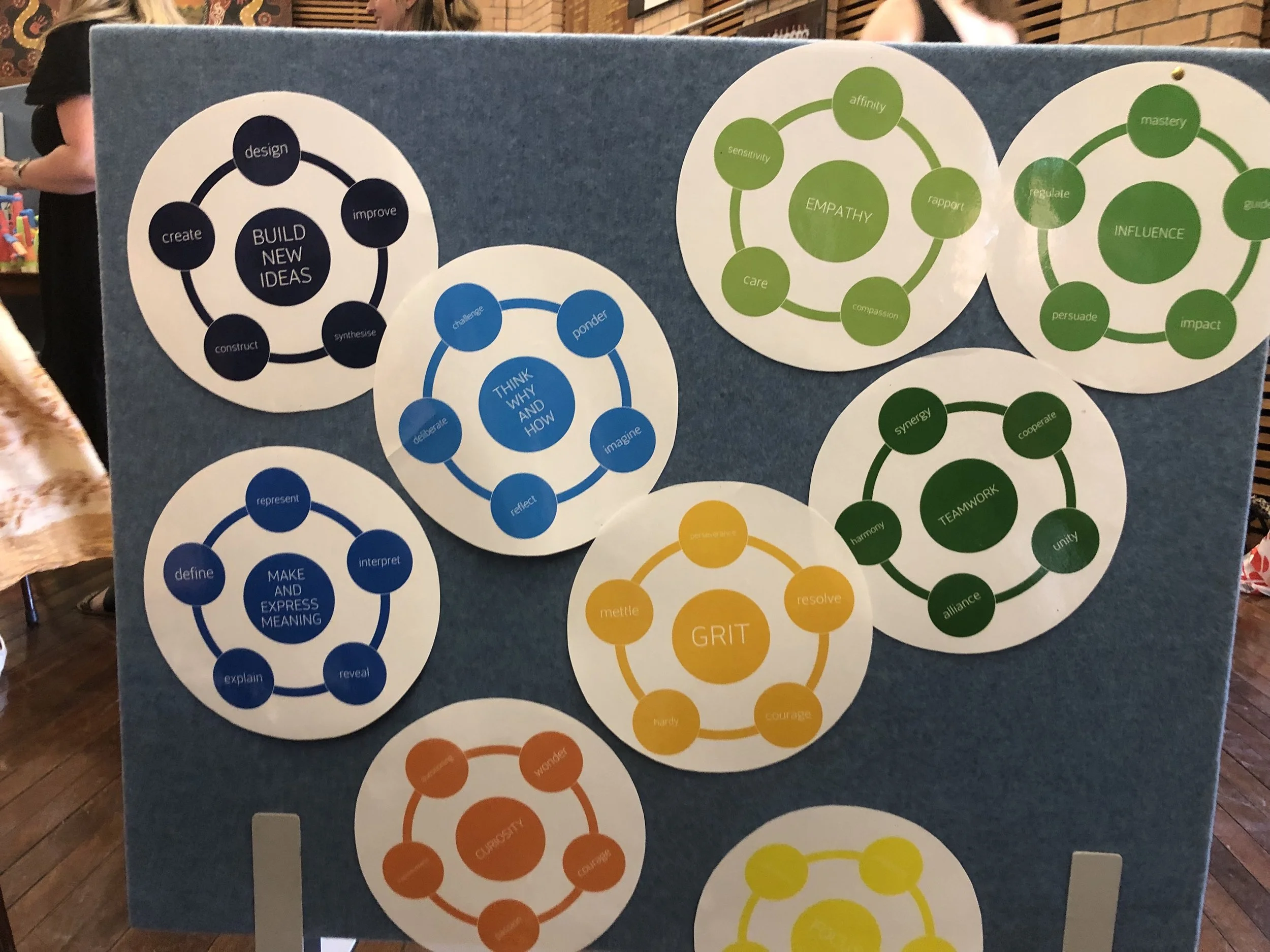
Why the Learning Disposition Wheel Matters More Than Ever
There’s a growing shift in education toward developing the whole learner. It’s important because today’s students will encounter unprecedented challenges of culture, climate, technology and more. Education frameworks need to fully equip students for this reality.
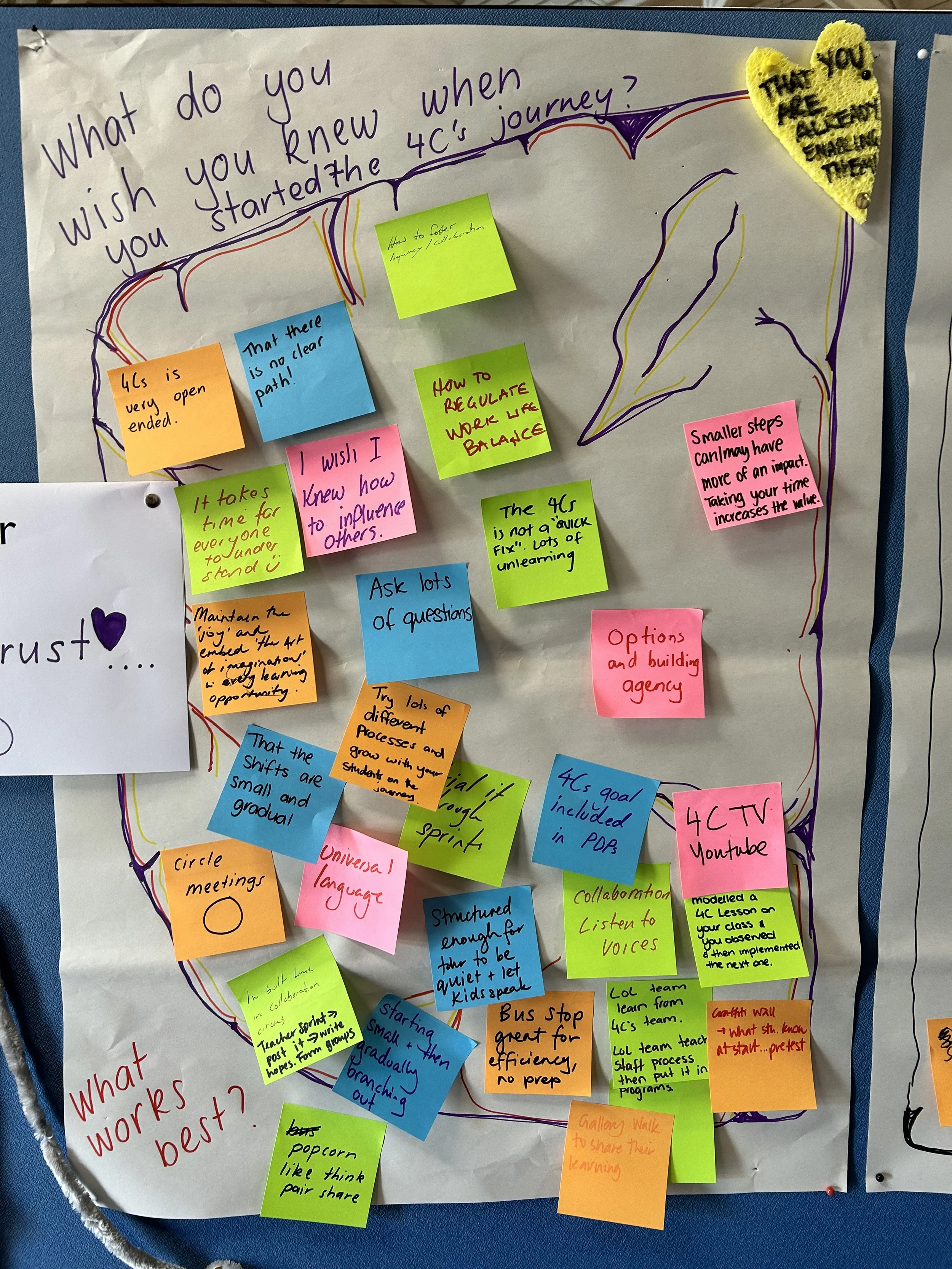
The 4Cs Framework in Action
The strength of the 4Cs framework in educational contexts lies in its practical application. Michael Anderson and Miranda Jefferson, in their books Transforming Schools, Transforming Education, and Leading for School Transformation, emphasise that school transformation must occur at multiple levels.
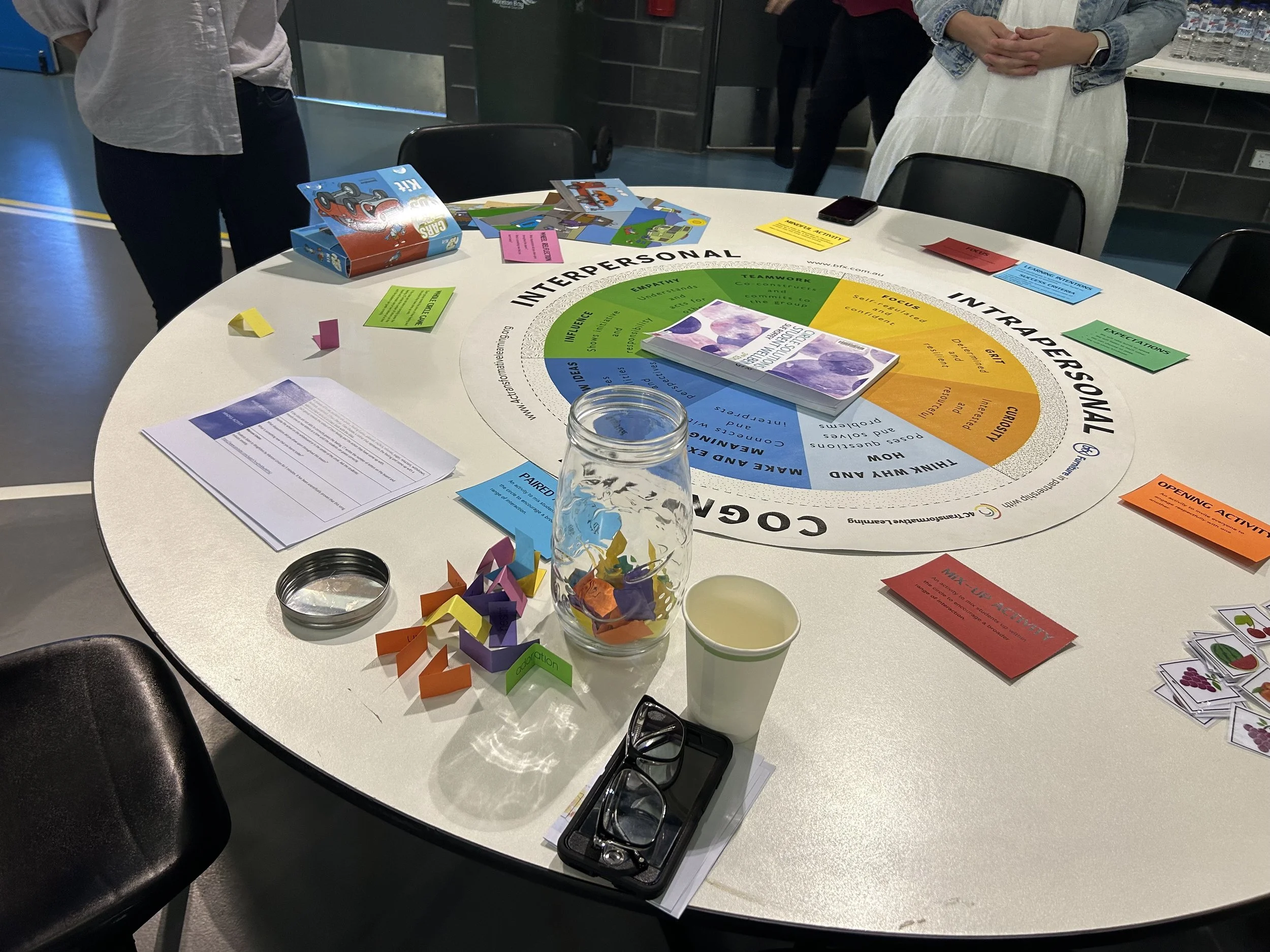
The Learning Disposition Wheel: A New Lens for Transformative Learning
In today’s rapidly evolving educational landscape, the question is no longer just what students should learn, but how they learn—and more importantly, who they become as learners. This shift has brought increasing attention to learning dispositions, a concept that sits at the heart of meaningful, future-focused education. The learning disposition wheel offers a powerful framework for understanding and developing the attitudes, habits, and mindsets that underpin deep, lifelong learning.
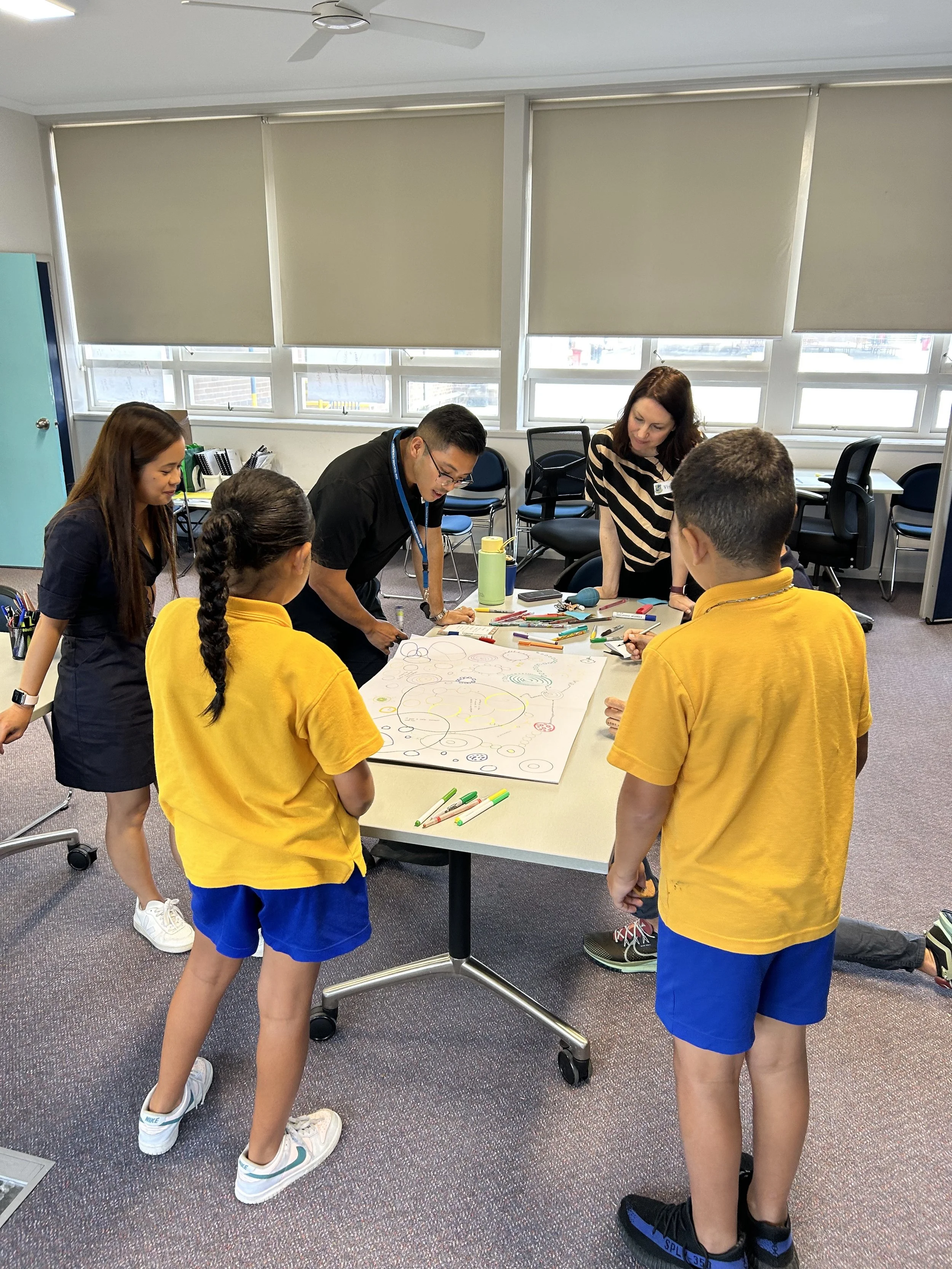
Real-World Impact of 4C Learning
The work of Anderson and Jefferson, particularly through initiatives like 4C Transformative Learning, has already influenced over 80 schools and organisations, in all education sectors, from pre-K to adult education, demonstrating that this approach is not just theoretical—it is practical and achievable.

Implementing the Learning Disposition Wheel in Schools
Bringing the learning disposition wheel to life requires intentional design and sustained commitment. Anderson and Jefferson emphasise that this is not about adding something new, but about reframing existing practices.